
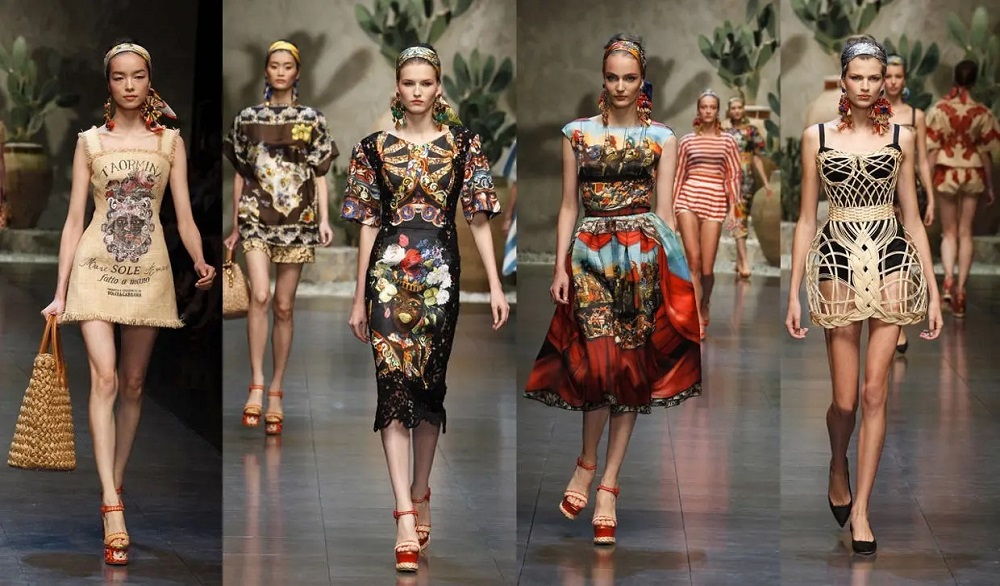
Fashion is frequently misunderstood as a superficial industry consumed by fleeting trends and seasonal aesthetics. In reality, apparel functions as a non-verbal language and a mirror reflecting the socio-political climate, economic conditions, and ideological shifts of any given era. The garments people choose to wear do not merely protect them from the elements; they communicate identity, values, and group alignment.
The intersection of fashion, culture, and lifestyle choice is dynamic and cyclical. Cultural movements give rise to distinct sartorial expressions, while structural changes in the fashion ecosystem actively reshape human behaviors, consumer habits, and lifestyle paradigms. Understanding this relationship requires an examination of how clothing serves as an instrument of cultural identity, a catalyst for social change, and a primary driver of daily personal choices.
Fashion as a Mirror of Cultural Identity and Subcultures
Historically, clothing has served as a primary visual marker of geographical origin, religious affiliation, and socioeconomic status. While globalization has blended many traditional dress codes, fashion remains a powerful medium through which communities preserve and project their heritage.
The Preservation of Heritage and Modern Synthesis
In many parts of the world, traditional textiles and garment structures are experiencing a contemporary resurgence. This is not merely an exercise in nostalgia, but a deliberate effort to reclaim cultural narratives within a homogenized global market.
-
Textile Revitalization: Designers from diverse backgrounds are integrating indigenous weaving techniques, such as West African Kente cloth or Japanese Shibori dyeing, into modern, mainstream silhouettes.
-
Cultural Reclamation: Wearing heritage-inspired garments in professional or international settings serves as an assertion of cultural pride and a rejection of Eurocentric dress codes as the sole standard of formality.
The Subcultural Catalyst
Throughout the twentieth and twenty-first centuries, youth subcultures have consistently weaponized fashion to challenge mainstream societal norms. These movements demonstrate how stylistic choices can crystalize a community’s shared ethos and lifestyle.
-
The Punk Movement: In the late 1970s, punk culture utilized torn clothing, safety pins, and utilitarian boots to physically manifest their anti-establishment, anarchist philosophy. The aesthetic directly mirrored their lifestyle of political dissent and DIY ethics.
-
Hip-Hop Culture: Emerging from the Bronx in the 1970s and 1980s, hip-hop fashion transformed oversized sportswear, sneakers, and heavy jewelry into symbols of resilience, status, and artistic expression. This aesthetic eventually moved from marginalized urban spaces to dominate global luxury fashion pipelines.
The Structural Influence of Fashion on Lifestyle Choices
Beyond self-expression, the fashion industry possesses the infrastructure to dictate how individuals navigate their daily routines, prioritize spending, and conceptualize wellness.
The Athleisure Shift and the Wellness Economy
One of the most profound lifestyle transformations of the past two decades is the rise of athleisure, clothing designed for both athletic pursuits and general urban wear. This shift marks a deeper behavioral evolution toward health and functional living.
-
Deconstruction of the Corporate Uniform: The transition from rigid business suits to performance fabrics and clean sneakers has redefined corporate culture, lowering visual barriers of formality and shifting focus to physical comfort and agility.
-
Integration of Movement into Daily Routines: By wearing garments that transition seamlessly from a corporate desk to a fitness studio, consumers are psychologically primed to prioritize physical activity throughout the day. The apparel itself acts as a behavioral prompt for a health-focused lifestyle.
Environmental Consciousness and Slow Fashion
The environmental degradation associated with hyper-accelerated production cycles has catalyzed a cultural counter-movement known as slow fashion. This philosophy is fundamentally altering individual consumer lifestyles and ethics.
-
From Consumerism to Stewardship: Adherents of slow fashion deliberately pivot away from cheap disposable garments toward durable, ethically produced pieces. This shift fosters a minimalist lifestyle focused on preservation, garment care, and capsule wardrobes.
-
The Resale and Vintage Ecosystem: The rise of digital thrift marketplaces has transformed second-hand shopping from an economic necessity into a prestigious lifestyle choice among younger demographics. This behavioral shift treats apparel as an asset with a continuous lifecycle rather than a consumable item destined for a landfill.
Socio-Political Expression and Sartorial Activism
Clothing has long served as a quiet canvas for political discourse, allowing individuals and groups to register dissent or signal solidarity without uttering a single word.
-
Color as a Political Vector: Throughout history, specific colors have been explicitly linked to social movements. The suffragettes utilized a strict palette of white, purple, and green to communicate purity, dignity, and hope. In contemporary politics, unified color choices during major public addresses or protests continue to signal ideological alignment.
-
Slogan Apparel and Message Dissemination: Mass-produced t-shirts bearing socio-political declarations act as mobile billboards, normalizing progressive or defensive narratives within everyday public spaces.
The democratization of manufacturing and the immediacy of digital platforms have accelerated this process. A political event can occur on one continent, and within forty-eight hours, garments reflecting or critiquing that event are designed, produced, and integrated into the daily wardrobes of citizens worldwide.
Frequently Asked Questions
How does the concept of enclothed cognition explain the psychological impact of fashion on an individual’s daily productivity?
Enclothed cognition is a psychological phenomenon demonstrating that the clothes a person wears can systematically trigger abstract behavioral patterns associated with those garments. For example, wearing professional attire often enhances abstract thinking and increases attention span, because the wearer subconsciously adopts the psychological traits of competence and authority linked to that specific style of clothing.
In what ways do fast fashion algorithms systematically alter the consumption habits of younger generations?
Fast fashion infrastructure relies heavily on predictive algorithms and real-time social data analysis. By tracking microscopic shifts in user engagement on media platforms, brands can design, manufacture, and list new styles within days. This constant influx of hyper-targeted options short-circuits traditional purchasing consideration windows, conditioning consumers to view clothing as highly disposable items with a lifespan measured in weeks rather than years.
How do luxury fashion brands maintain cultural prestige when mass-producing items for a global market?
Luxury houses navigate the paradox of mass-production and exclusivity by segmenting their product lines. They utilize high-volume, high-margin items like cosmetics, eyewear, and logo-heavy leather goods to capture the broader consumer market and drive revenue. Meanwhile, they preserve their cultural prestige through ultra-exclusive haute couture collections, limited edition runs, and invite-only runway presentations that maintain an aura of scarcity.
What structural role does fashion play in gender deconstruction within contemporary western culture?
Fashion facilitates gender deconstruction by decoupling specific silhouettes, textiles, and design elements from traditional binary expectations. By normalizing gender-neutral collections, fluid sizing, and crossing historically rigid boundaries, the fashion industry provides the physical tools necessary for individuals to express non-binary identities publicly, transforming abstract sociological theory into everyday visible reality.
How does the phenomenon of cultural appropriation differ from genuine cultural appreciation within the fashion design process?
Cultural appropriation occurs when a dominant culture adopts distinct elements of a marginalized culture’s traditional dress without permission, context, or financial compensation, often reducing sacred symbols to mere aesthetic trends. Genuine appreciation involves transparent collaboration, explicit credit, financial equity for the original artisans, and a deep understanding of the historical significance behind the textile or technique utilized.
How has the shift toward remote work permanently altered the manufacturing priorities of global textile companies?
The normalization of remote work drastically reduced the global demand for structured, woven fabrics traditionally used in formal business attire. Consequently, textile manufacturers shifted capital and research development toward high-gauge circular knitting and synthetic fiber blending. This pivot allowed them to maximize production of high-stretch, temperature-regulating, and wrinkle-resistant materials optimized for home comfort that still look acceptable on a video broadcast.