

Businesses usually start looking for a link building service when they realise that on-site improvements alone are not enough to compete. The website may already be in decent shape, key pages may be live, and the content may be improving, but progress still feels limited. At that point, the issue is often not what sits on the site. It is what sits around it, namely the quality and relevance of the signals pointing back to it.
A Good Service Should Be Built Around Relevance
Link building works best when the placements make sense for the business behind them. That sounds obvious, but it is where many weak campaigns fall down. Links placed on random sites, in unrelated articles, or in thin content may add little of value even if they increase the raw count.
A stronger service starts by understanding what kind of websites are genuinely relevant to the business. That might mean industry publications, niche blogs, local business sites, trade resources, or editorial features where the brand naturally fits. The goal is not to appear everywhere. It is to appear in the right places.
This also helps create a healthier link profile over time. Search engines are far more likely to trust a pattern of relevant mentions than a collection of placements that seem disconnected from what the business actually does.
The Destination Page Matters as Much as the Link
A link campaign can only do so much if it points to a weak page. This is one of the most overlooked parts of the process. Businesses often focus heavily on the outreach side while ignoring whether the page receiving the link is actually worth strengthening.
A good link building service should take this into account. If the destination page lacks depth, clarity, or purpose, the value of the link can be reduced. The strongest campaigns usually support pages that already have a clear role, whether that is to rank for a commercial term, build trust around a core service, or support a broader category.
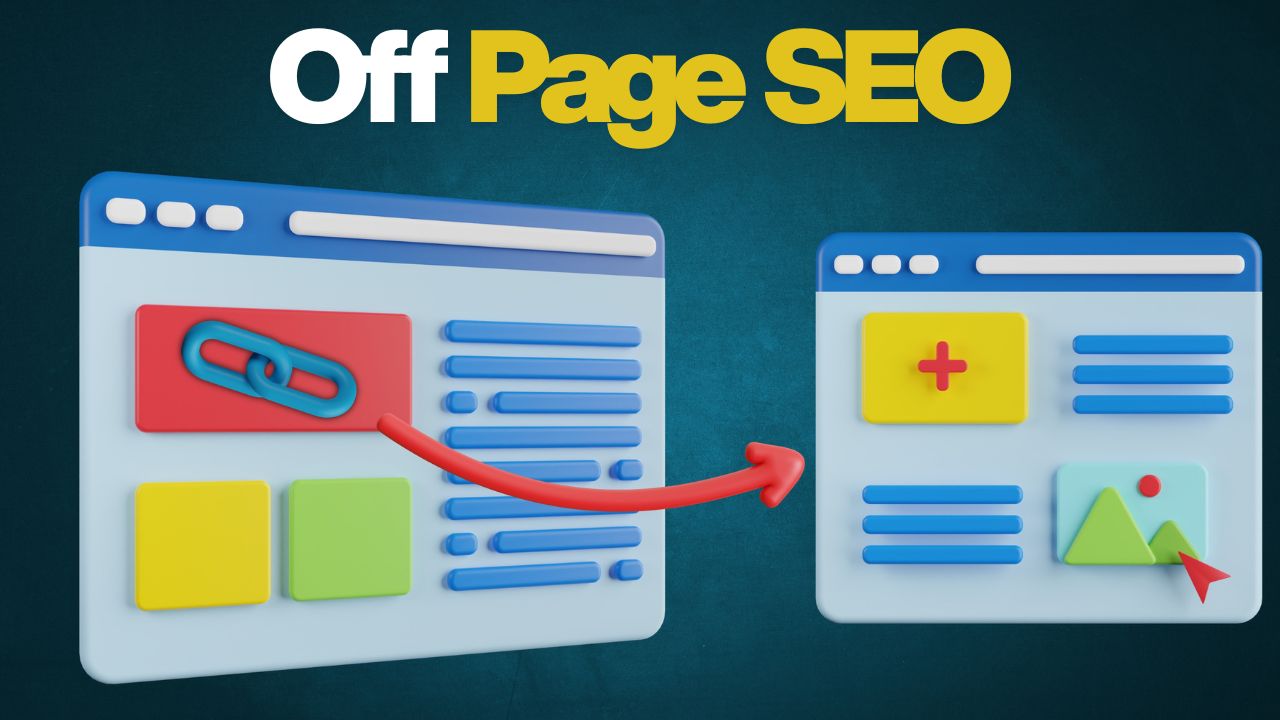
This is one reason link building works best as part of a joined-up SEO strategy. The off-site work should reinforce pages that are already positioned to benefit from more authority.
Consistency Tends to Beat Short Bursts
Some businesses still think of link building as a one-off push, something to be done quickly and then left alone. In practice, the strongest results often come from a more steady and deliberate approach. A site’s authority tends to build more naturally when relevant links are earned over time rather than in sudden waves.
This does not mean every campaign has to be slow, but it does mean consistency matters. A business that improves its link profile gradually is often in a better competitive position than one that stops and starts or chases short-lived volume.
There is also a practical reason for this. Competitive sectors are rarely standing still. If rivals continue strengthening their off-site presence while one business pauses completely, the gap can reopen even after earlier progress.
Reporting Should Show More Than Quantities
A proper service should give businesses more than a running total of links acquired. Numbers alone do not explain whether the work is improving the site’s profile in a meaningful way. A more useful view looks at the types of placements secured, their relevance, the pages being supported, and how that off-site work fits into the wider SEO effort.
This kind of reporting makes it easier to judge quality rather than just activity. It also helps businesses understand why some placements are more valuable than others and why not every month will look identical on paper. Link building is rarely strongest when it is reduced to a simple quota.
Why the Right Service Supports Long-Term Visibility
The real value of a link building service lies in how it strengthens the site’s broader credibility over time. It helps pages compete more effectively, supports organic visibility in harder markets, and gives search engines more reasons to treat the website as a serious source rather than just another page in the index.
That is why good link building should feel measured and relevant rather than aggressive or mechanical. When handled well, it becomes a steady part of building a stronger online presence, not just a tactic to chase short-term movement.