
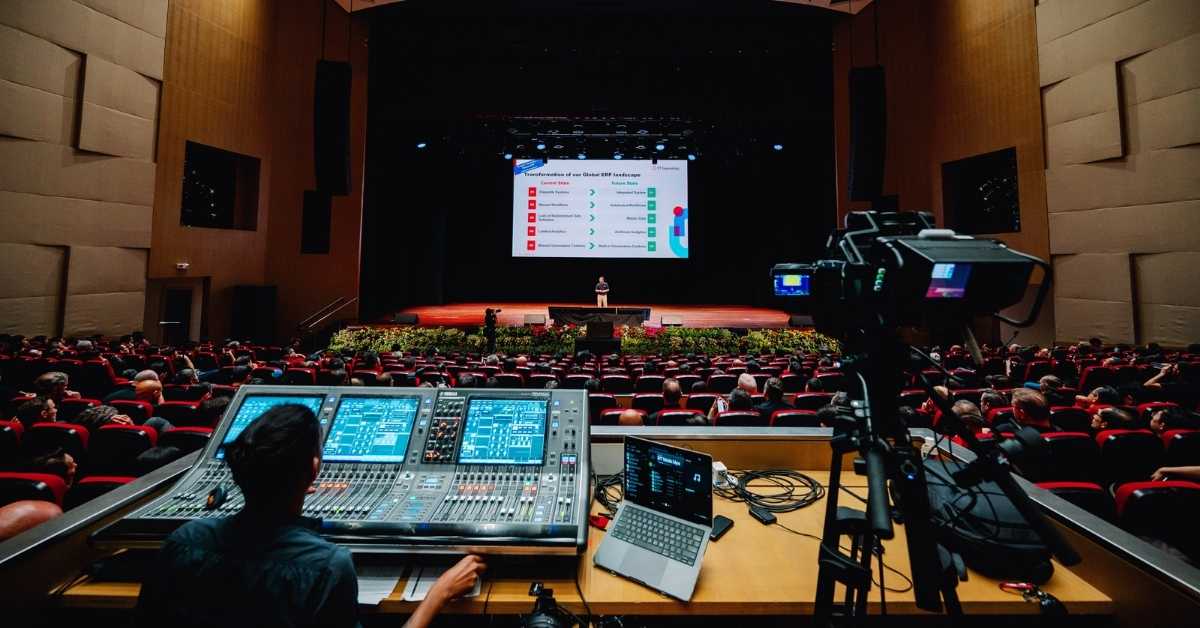
Organizing a successful event requires more than just a venue and a guest list—it demands careful planning, coordination, and execution. Whether you’re hosting a corporate conference, a wedding, a concert, or a large-scale festival, partnering with the right full event production company can make the difference between a seamless experience and a stressful, chaotic one. Full event production companies handle everything from audiovisual setups and lighting design to stage management and logistics, allowing hosts to focus on the event’s purpose rather than operational details. Choosing the right partner requires careful research, clear communication, and an understanding of your event’s specific needs.
A reputable full event production company brings technical expertise, creative vision, and organizational skills to the table. They coordinate multiple moving parts, including sound systems, lighting rigs, visual displays, and stage construction, ensuring that every element works together harmoniously. The best companies also offer project management services, vendor coordination, and contingency planning, making them invaluable for large or complex events. By selecting a company with proven experience, hosts gain confidence that the event will run smoothly from setup to teardown.
Assessing Experience and Expertise
The first step in choosing a full event production company is evaluating their experience and areas of expertise. Companies that have managed events similar in size, scope, and format to yours are often better equipped to anticipate challenges and deliver solutions. For example, a company experienced in music festivals may excel in sound engineering and crowd management, while a corporate event specialist may focus more on presentation technology, lighting, and logistics.
Examining case studies, portfolios, and client testimonials provides insight into the company’s capabilities. Reviewing past events allows you to gauge their creativity, attention to detail, and technical proficiency. Additionally, checking credentials, certifications, and industry affiliations can confirm that the company adheres to professional standards and best practices. Companies with extensive experience are often better prepared to handle unexpected issues, ensuring that the event proceeds without disruption.
Evaluating Technical Capabilities and Equipment
Full event production relies heavily on the right technology and equipment. From audiovisual systems and lighting setups to projection screens, video walls, and stage structures, the quality of the tools used directly impacts the event experience. When selecting a company, inquire about the equipment they use, maintenance schedules, and whether they provide in-house technicians or subcontractors.
A company with modern, well-maintained equipment can enhance audience engagement through high-quality visuals, clear sound, and immersive lighting effects. Moreover, experienced teams know how to integrate multiple technologies seamlessly, whether coordinating video presentations, live streaming, or interactive displays. Understanding a company’s technical capabilities ensures that they can meet your event’s requirements without compromises.
Understanding Services Offered
Not all full event production companies offer the same range of services. Some focus solely on technical aspects such as lighting, sound, and staging, while others provide comprehensive management, including event planning, vendor coordination, logistics, and creative direction. Determining the scope of services offered helps you identify a company that aligns with your specific needs.
Full-service companies can simplify the planning process by acting as a single point of contact for all event-related tasks. This reduces the risk of miscommunication between multiple vendors and allows for a cohesive event design. Whether you require complete event management or just technical support, clarifying the company’s capabilities ensures that expectations are aligned from the start.
Budget Considerations and Transparency
Budget is a critical factor when choosing a full event production company. While cost should not be the sole deciding factor, understanding pricing structures and ensuring transparency is essential. Companies should provide detailed quotes that outline the services, equipment, labor, and potential additional costs.
Comparing multiple proposals helps identify companies that offer the best value for your investment. Keep in mind that choosing the cheapest option may compromise quality, while a higher-priced company may provide superior expertise, equipment, and support. Open discussions about budget constraints allow the production team to propose solutions that maximize impact without overspending.
Communication and Collaboration
Effective communication is vital for a successful partnership. The right full event production company should listen to your goals, provide clear updates, and respond promptly to questions or concerns. Establishing a collaborative relationship ensures that the company understands your vision and can translate it into a practical, well-executed event.
Scheduling regular meetings, walkthroughs, and progress reports fosters transparency and allows for adjustments before the event day. A responsive team can anticipate challenges, propose creative solutions, and adapt to changing circumstances, providing reassurance and confidence throughout the planning process.
References and Reputation
Finally, consider the company’s reputation in the industry. Asking for references or speaking with past clients offers insight into reliability, professionalism, and overall satisfaction. Online reviews, social media presence, and industry awards can also indicate a company’s credibility and level of expertise.
Reputable companies prioritize client satisfaction, adhere to timelines, and maintain high safety and quality standards. By verifying a company’s track record, you reduce the risk of unexpected issues and ensure that your event will be executed at a professional standard.
Choosing the right full event production company is a strategic decision that impacts every aspect of your event. By assessing experience, evaluating technical capabilities, understanding services, considering budget, fostering communication, and checking references, hosts can select a partner that delivers a seamless, memorable experience. Whether planning an intimate corporate meeting or a large-scale festival, the right production team ensures that every element—from lighting and sound to stage management and logistics—works together flawlessly, leaving a lasting impression on attendees.